
Glaucoma is a progressive eye disease that, left untreated, can lead to blindness. While it typically affects people of older ages, early detection, and proper treatment are essential for its management. Early awareness of symptoms and appropriate treatment options is essential in slowing down or preventing the progression of damage; however, many individuals are unaware of this serious condition and what to watch out for.
It is important to be proactive in your own eye care and to practice healthy habits, such as wearing UV-protection sunglasses and visiting your ophthalmologist for regular checkups. By doing so, you can reduce the risk of glaucoma or slow down its progression if you have already been diagnosed with it.
In this blog post, we will discuss the potential warning signs associated with glaucoma as well as available treatment options so that you have all the information you need to take care of yourself or a loved one should they be diagnosed with glaucoma.
Glaucoma – Cause and Symptoms
Glaucoma is caused by an increase in pressure in the eye, damaging the optic nerve, which sends visual information from the eyes to the brain. This damage can cause a gradual loss of vision, resulting in tunnel vision and eventually blindness if left untreated. Symptoms associated with glaucoma include blurred vision, difficulty seeing at night, halos around lights, red eyes, and headaches.
Prevention and Treatment Options for Glaucoma:
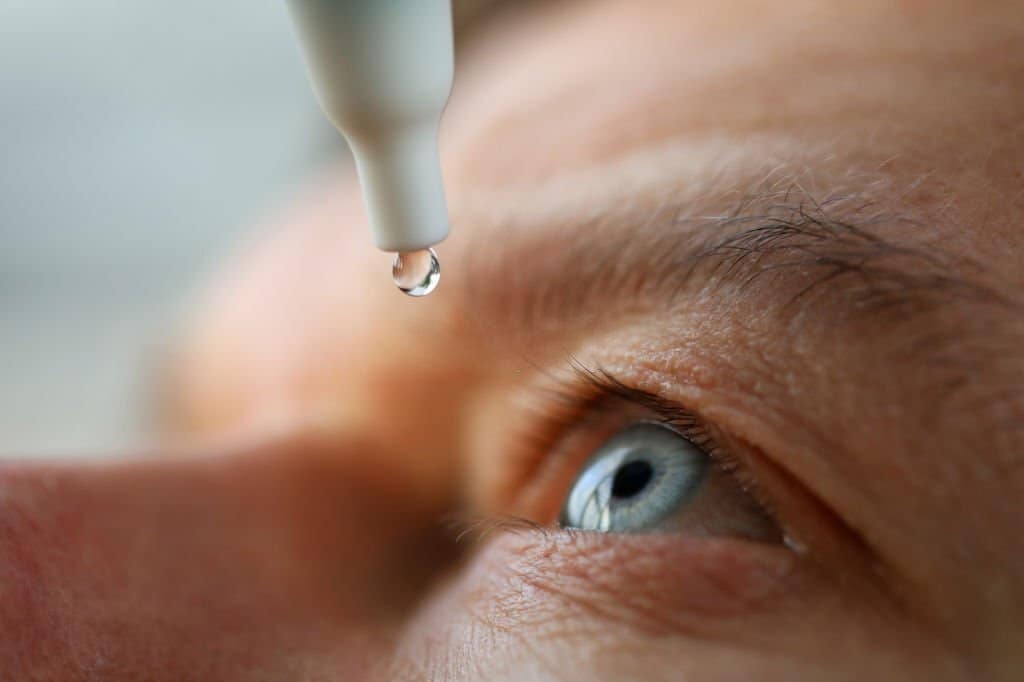
The most common treatment options for glaucoma are medications such as eye drops that promote drainage of fluid from the eye or reduce fluid production; laser treatments that improve fluid drainage or reduce intraocular pressure; and surgical procedures that open up blocked channels within the eye.
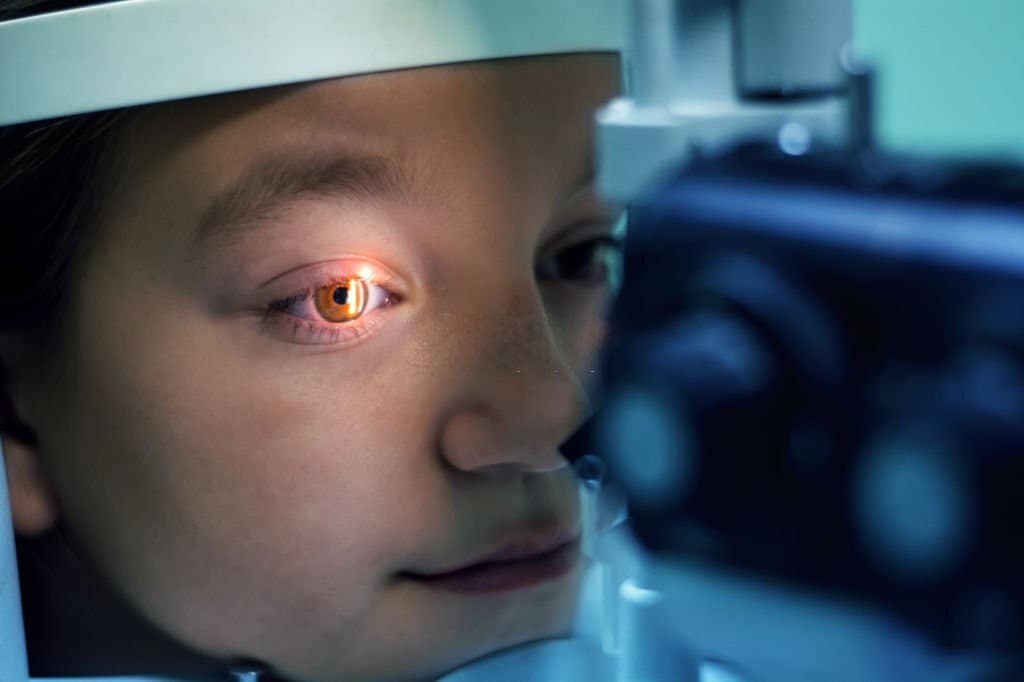
Depending on the severity of your condition, your optometrist may recommend one or more of these treatments.
Making sure you get frequent eye tests by your optometrist is one way to ensure that any changes in your vision are detected quickly—allowing for the best possible treatment outcomes.
If you notice any changes in your vision or experience any of the symptoms mentioned here, please make an appointment with an optometrist right away.
With early detection and proper management, glaucoma can be managed successfully and efficiently. Be proactive about your eye health and take the necessary steps to protect your vision.
Key Takeaway
The primary goal of glaucoma treatment is to manage the pressure levels in the eye and halt or slow down any damage caused by the condition. Treatment options typically include prescription medications, laser treatments, or surgery. It is important to consult with a doctor about which option would be most appropriate for each individual case, as they all come with their own risks and benefits.
Conclusion
Glaucoma is a serious eye condition that can lead to permanent vision damage if left untreated. While it typically affects older individuals, early detection and proper treatment are essential for its management. In this blog post, we discussed the potential warning signs associated with glaucoma as well as available treatment options so you have all the information you need to take care of yourself or a loved one should they be diagnosed with glaucoma. If you or someone you know has been experiencing any of the symptoms mentioned here, please make sure to consult an optometrist for further evaluation and treatment.
By understanding what glaucoma is, recognizing its warning signs, and learning about available treatment options, you can help ensure that your vision remains healthy and strong. For more information on glaucoma or to schedule an appointment with an optometrist near you, please reach out today at Paine and Hunter!
It’s also essential to note that lifestyle changes can help people with glaucoma better manage their condition. Eating a healthy diet, exercising regularly, quitting smoking, avoiding certain drugs like steroids, and reducing stress can all help reduce the risk of developing glaucoma or slow down its progression.
To conclude, glaucoma is a serious eye condition that may cause irreversible damage if not treated in time. Knowing the potential warning signs and available treatment options is essential to manage this condition and preserving your vision successfully. If you experience any symptoms related to glaucoma, make sure to consult with your doctor right away for the best possible outcome.
This blog post was written for informational purposes only and should not be used as medical advice. Always speak with a qualified medical professional about any health concerns you may have. Thank you for taking the time to learn more about glaucoma and eye health!

