
Have you ever wondered how your electronic devices are affecting your eyes? Many people don’t realize that blue light is emitted from these devices and can be potentially harmful to our eyes. In this blog post, we will discuss the effects of blue light on our eyes and ways to protect them.
How Does Blue Light Affect Your Eyes?
Blue light is a form of high-energy visible (HEV) light, which has been associated with a number of negative impacts on the eyes and eyesight. For example, exposure to high levels of blue light has been shown to cause eyestrain, fatigue, glare, and even headaches among those who spend a lot of time looking at tablets, mobile phones, and other devices that emit large amounts of blue light. Furthermore, extensive exposure to blue light may lead to more serious conditions like macular degeneration and cataracts down the road.

Despite these potential consequences, it is important to note that not all blue light is harmful. In fact, many sources of blue light can actually be good for our eyes and vision. For example, exposure to some forms of blue light (such as natural sunlight) has been shown to improve mood and help people feel more awake and energetic throughout the day.
Additionally, research indicates that moderate levels of blue light can actually help prevent myopia (nearsightedness) in children by stimulating growth in the retina during key developmental stages. Ultimately, what matters most when it comes to protecting our eyes from the effects of blue light is ensuring that we get enough exposure without going overboard.
How can you protect your eyes from blue light?
Blue light is a form of electromagnetic energy that can be found in the sun, tablets, mobile phones, computers, and televisions. It has become increasingly common in our modern society and can have harmful effects on our eyes and eyesight if we are not careful. To protect against blue light, it is important to take certain steps to limit our exposure.
For example, we can reduce time spent using tablets or mobile phones by taking regular breaks or switching to nighttime mode on our devices when possible. Additionally, we can adjust the settings on our computers and TVs so that they emit less blue light overall.
By incorporating these simple precautions into our daily lives, we can effectively protect our eyes from blue light and keep them healthy for many years to come.
Symptoms that blue light is affecting your eyes
If you notice that you frequently experience headaches or eyestrain, it may be a sign that your eyes are being affected by blue light. Blue light is a high-energy light often emitted from digital devices like computers, phones, and tablets. Over time, this exposure to blue light can lead to a variety of symptoms, such as dry eyes and blurred vision.
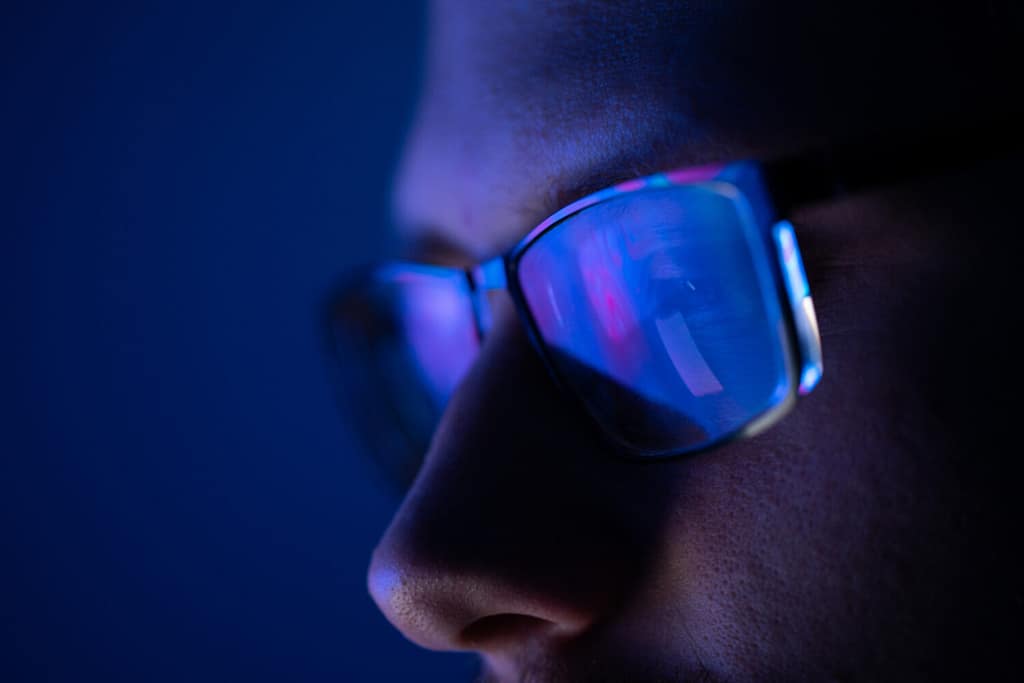
Fortunately, you can take steps to protect your eyes from the harmful effects of blue light. See an optician because this will help you determine any issues related to blue light exposure that need to be addressed to preserve your overall visual well-being. Additionally, investing in protective eyewear like specialised glasses or contact lenses can help shield your eyes from harmful blue light sources in your environment.
Fortunately, you can take steps to protect your eyes from the harmful effects of blue light. See an optician because this will help you determine any issues related to blue light exposure that need to be addressed to preserve your overall visual well-being. Additionally, investing in protective eyewear like specialised glasses or contact lenses can help shield your eyes from harmful blue light sources in your environment.
So if you notice any symptoms connected to blue light exposure, don’t delay taking action today!
Book an appointment today with Paine and Hunter to accurately assess your current eye health.
Is blue light eye damage reversible?
There is much debate in the scientific community about whether blue light eye damage is reversible or not. Some researchers insist that the effects of this type of radiation are permanent and cannot be reversed, while others point to emerging evidence that suggests positive outcomes in some cases.
At Paine and Hunter, one of the leading providers of vision tests and treatments, we believe there may be hope for those who have experienced hurt from overexposure to blue light. By booking an eye test with us, you can learn more about your individual case and find out if there are steps that can be taken to lessen the impact on your vision. So if you’re worried about the long-term consequences of blue light exposure, don’t hesitate to get in touch with our team today!
Bottom Line
Blue light can cause digital eye strain, which is a condition that results in tired and strained eyes. Symptoms of digital eye strain include headaches, blurred vision, dry eyes, and neck pain.
- People who spend much time looking at screens are more likely to experience digital eye strain.
- There are ways to reduce the amount of blue light you’re exposed to, including using filters or wearing glasses that block blue light.
Blue light exposure can have serious consequences for your health if you don’t take steps to protect your eyes. Make sure to use one of the suggested methods to reduce exposure and keep your eyes healthy!

